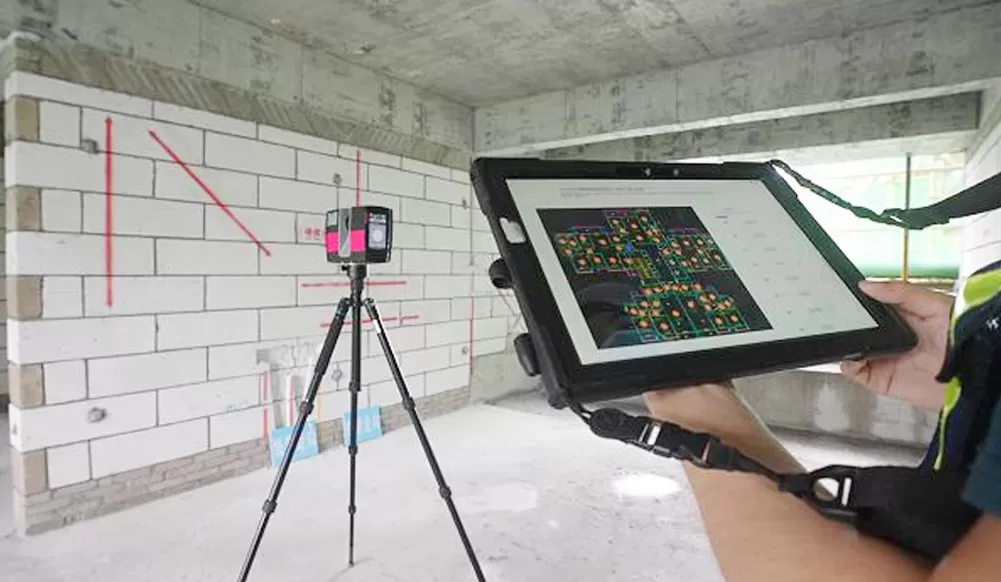
A wall painting robot typically costs from tens of thousands of dollars to over one hundred thousand dollars, depending on automation level, spraying capacity, navigation system, application requirements, and customization options. For construction companies, the actual investment should not be evaluated by equipment price alone, but by productivity improvement, labor savings, coating quality, and long-term return on investment.
As robotic painting technology continues to develop, more contractors are considering automated solutions to improve efficiency and solve labor shortage challenges. Understanding the factors behind wall painting robot pricing can help businesses choose the right solution for their projects.
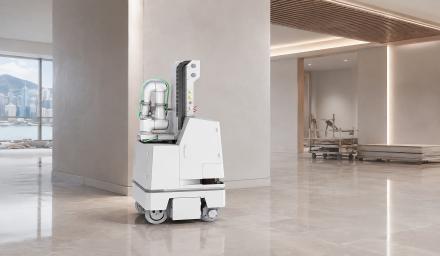
What Factors Affect the Cost of a Wall Painting Robot?
The price of a wall painting robot is influenced by several technical and application-related factors. Unlike traditional painting equipment, robotic painting systems integrate mechanical structure, intelligent control, sensors, and spraying technology, making the configuration directly related to overall cost.
| Cost Factor | Impact on Robot Price |
|---|
| Automation level | Higher automation and intelligent functions usually increase equipment investment |
| Spraying performance | Larger coverage area, higher precision, and stable coating quality require advanced systems |
| Navigation technology | Autonomous positioning and environment recognition improve operational efficiency |
| Working application | Residential, commercial, and industrial projects may require different configurations |
| Customization requirements | Special project conditions may require customized solutions |
For example, a robot designed for small interior renovation projects may have different requirements compared with a system used for large-scale commercial construction. Therefore, comparing only the initial purchase price may not provide an accurate evaluation.
How Much Does an Automatic Wall Painting Robot Cost?
An automatic wall painting robot is generally priced based on its capabilities, including autonomous movement, spraying accuracy, working efficiency, and adaptability to different construction environments.
Compared with manual painting methods, automated painting solutions provide advantages such as consistent coating thickness, reduced labor dependency, and improved working safety. Companies should consider the total project cost rather than only the equipment purchase price.
When evaluating an automatic wall painting robot, buyers should consider:
For large construction projects, a higher initial investment may be justified because the robot can continuously improve productivity and reduce repetitive manual work.
Is a Wall Painting Robot Worth the Investment?
The value of a wall painting robot depends on project requirements and usage frequency. For contractors handling frequent painting tasks, robotic solutions can provide measurable benefits.
Key advantages include:
Improved Painting Efficiency
Traditional wall painting requires significant manual labor, especially for large-scale construction projects. A robotic system can maintain continuous operation and reduce preparation time, helping contractors complete projects more efficiently.
More Consistent Coating Quality
Manual painting quality can vary depending on worker experience and working conditions. Robotic spraying systems provide more stable movement and spraying patterns, helping achieve consistent results across large wall areas.
The construction industry continues to face challenges related to skilled labor shortages. Automation allows companies to reduce dependence on manual painting teams while maintaining project schedules.
Painting operations may involve working at heights or exposure to paint materials. Automated solutions can reduce worker exposure to challenging environments and improve overall job-site safety.
What Should You Consider Before Buying a Wall Painting Robot?
Choosing the right robot requires more than comparing prices. Contractors should evaluate whether the equipment matches their actual construction needs.
1. Project Application
Different projects have different requirements. Residential buildings, commercial facilities, and industrial projects may require different spraying capabilities.
A robot suitable for interior wall finishing may not be the best choice for large-scale industrial applications. Buyers should first define their main usage scenarios.
2. Spraying Technology
The spraying system directly affects coating quality and working efficiency. Important considerations include:
Spray consistency
Paint compatibility
Coverage capability
Adjustment flexibility
For projects requiring professional wall finishing, solutions such as a robotic wall painting machine can provide more stable performance compared with traditional manual tools.
3. Automation and Intelligent Functions
Modern construction robots are increasingly equipped with intelligent technologies that improve operation efficiency, including autonomous navigation, environmental sensing, and automated workflow management.
Companies should select a system that balances intelligent features with practical project requirements.
4. Supplier Support and After-Sales Service
A construction robot is a long-term investment. Technical support, training, maintenance, and spare parts availability are important factors when selecting a supplier.
Working with an experienced manufacturer can help ensure smoother deployment and better long-term operation.
How Does a Wall Painting Robot Compare with Traditional Painting Methods?
| Comparison | Traditional Painting | Wall Painting Robot |
|---|
| Labor requirement | Requires skilled workers | Reduces manual workload |
| Coating consistency | Depends on operator experience | Provides more stable results |
| Working efficiency | Limited by labor availability | Supports continuous operation |
| Safety | Workers may face difficult environments | Reduces exposure to risky tasks |
| Scalability | Difficult for large projects | Suitable for repeated construction applications |
For contractors managing multiple projects, automation can create long-term value by improving efficiency and reducing operational uncertainty.
Where Can Wall Painting Robots Be Used?
Wall painting robots are increasingly applied in:
As construction companies continue adopting automation, the demand for construction robots for sale is increasing. Contractors are looking for solutions that improve productivity while maintaining consistent construction quality.
How to Choose the Right Wall Painting Robot Supplier?
Selecting the right supplier is as important as choosing the right equipment. A reliable manufacturer should provide:
Professional technical consultation
Product customization options
Installation and training support
Long-term maintenance services
Legend Robot focuses on developing intelligent construction robots designed to improve efficiency and quality in modern construction environments. By combining automation technology with practical construction experience, robotic painting solutions can help contractors achieve more efficient and reliable finishing processes.
Conclusion
The cost of a wall painting robot depends on multiple factors, including automation capabilities, spraying performance, application requirements, and supplier support. Instead of focusing only on the purchase price, construction companies should evaluate overall project benefits, including labor savings, efficiency improvement, and long-term return on investment.
For businesses planning to adopt construction automation, selecting a suitable robotic painting solution based on actual project needs is the key to achieving sustainable value.