Construction robots are becoming an important solution for companies looking to improve productivity, reduce labor pressure, and achieve more consistent project outcomes. When searching for construction robots for sale, contractors should evaluate not only equipment price but also application requirements, automation capabilities, productivity improvement, and long-term operational value.
From painting and surface preparation to material handling and finishing tasks, robotic technologies are helping construction companies transform traditional workflows into more efficient and data-driven processes.
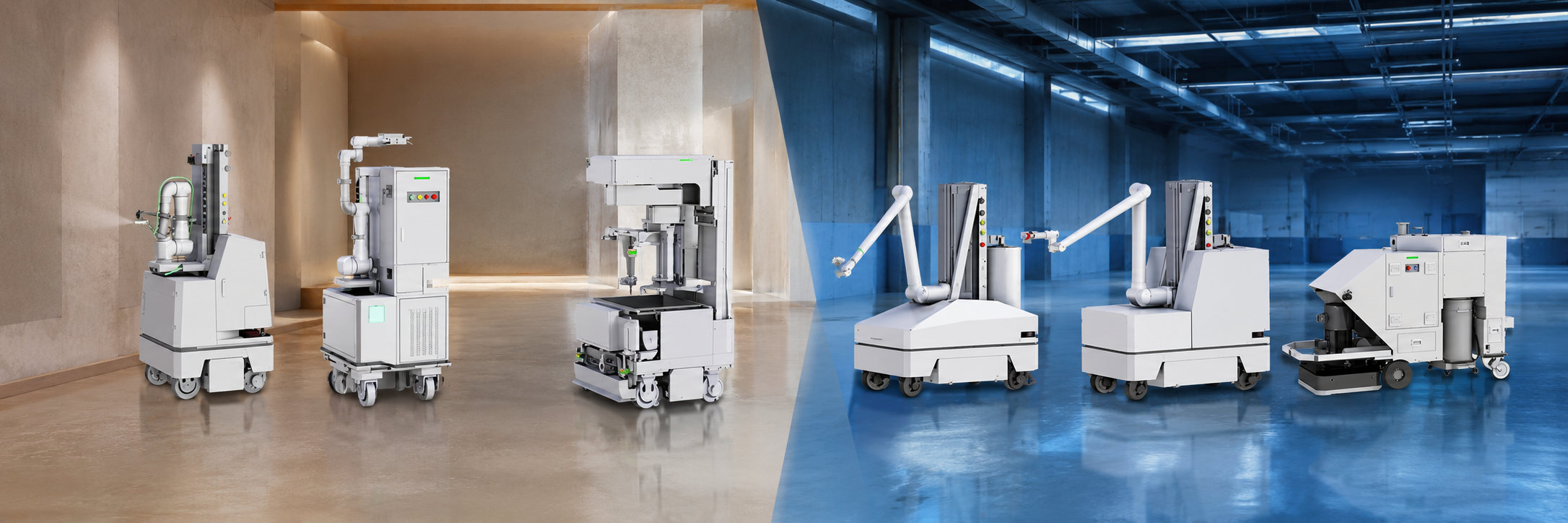
What Are Construction Robots?
Construction robots are automated machines designed to assist or perform specific tasks in construction environments. Unlike traditional equipment, robotic systems combine mechanical structures with intelligent control technologies to improve efficiency and reduce repetitive manual operations.
Modern construction robots can support various applications, including:
By automating repetitive and physically demanding tasks, construction robots help companies improve productivity while maintaining consistent quality standards.
Why Are Construction Companies Investing in Robots?
Addressing Labor Shortages
The construction industry continues to face challenges related to skilled labor availability. Many companies are looking for automation solutions to reduce dependence on manual operations and maintain project schedules.
Robotic systems allow workers to focus on higher-value tasks while machines handle repetitive processes.
Improving Construction Efficiency
Large-scale projects often require repetitive operations that consume significant time and manpower. Automation can improve workflow efficiency by supporting continuous operation and reducing delays caused by labor limitations.
For example, a construction robot can help contractors complete specialized tasks with greater consistency and operational control.
Enhancing Quality Control
Construction quality often depends on worker experience and operating conditions. Robotic systems use predefined processes and intelligent control to reduce variations and improve consistency.
This is especially valuable for tasks requiring precise movement, repeated operations, or uniform finishing results.
What Types of Construction Robots Are Available?
Different construction projects require different robotic solutions. Companies should choose equipment based on their specific applications.
Wall finishing is one of the areas where automation provides significant value. Robotic painting systems help improve coating consistency and reduce manual workload during large-scale projects.
A wall painting robot can support contractors in residential, commercial, and renovation projects where efficient finishing is required.
Surface preparation is an important step before many construction finishing processes. Automated grinding solutions help improve efficiency and provide more consistent surface treatment.
A floor grinding robot can reduce repetitive manual work while maintaining stable grinding performance across large floor areas.
Floor installation often requires precision and repetitive movement. Automated tile installation solutions help improve placement accuracy and reduce labor intensity.
A tile laying robot can support construction teams in projects requiring consistent installation quality and higher efficiency.
What Should You Consider When Buying Construction Robots?
Choosing the right robotic solution requires careful evaluation of several factors.
Evaluation Factor | Key Considerations |
Application requirements | What construction task needs automation? |
Working environment | Indoor, outdoor, project scale, site conditions |
Automation capabilities | Navigation, control, operation flexibility |
Productivity improvement | Time savings and labor optimization |
Supplier support | Training, maintenance, technical assistance |
The best solution is not always the most advanced or expensive option. Companies should select robots that match their actual construction processes and business goals.
Are Construction Robots Worth the Investment?
The value of construction robots depends on project frequency, operational requirements, and expected productivity improvements.
For companies managing multiple projects, robotic solutions can provide benefits such as:
Reduced repetitive labor costs
Improved workflow efficiency
More consistent construction quality
Better workplace safety
Increased project scalability
Although robotic equipment requires an initial investment, the long-term benefits can make automation a valuable strategy for companies seeking sustainable growth.
How to Choose a Reliable Construction Robot Supplier?
Selecting the right supplier is as important as choosing the right equipment.
Before purchasing, companies should consider:
A reliable supplier should provide solutions that match real construction requirements rather than only focusing on technical specifications.
Installation guidance, operator training, and maintenance services are essential for successful robot deployment.
Construction environments vary significantly. Suppliers with customization capabilities can better support different project scenarios.
Frequently Asked Questions
What are construction robots used for?
Construction robots are used to automate repetitive or labor-intensive tasks such as painting, grinding, installation, and material handling.
How much do construction robots cost?
The cost depends on robot type, automation level, application requirements, and customization needs. Companies should evaluate overall return on investment rather than only initial purchase price.
Are construction robots replacing workers?
Construction robots are designed to assist workers by reducing repetitive tasks and improving efficiency. Human supervision and technical operation remain important parts of construction workflows.
What should I consider before buying a construction robot?
Companies should consider application scenarios, productivity goals, automation features, supplier support, and long-term maintenance requirements.
Conclusion
Construction robots provide a practical way for companies to improve productivity, address labor challenges, and modernize traditional construction processes. By selecting robotic solutions based on project requirements and operational goals, contractors can achieve better efficiency, quality control, and long-term value.
As construction continues moving toward automation and digital transformation, robotic technologies will play an increasingly important role in creating safer, smarter, and more efficient construction environments.