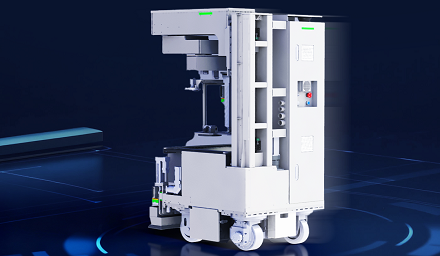
A grinding robot should be selected and deployed according to the floor-treatment objective, required coverage, grinding or polishing mode, obstacle density, dust-control strategy and disc system. For large concrete floors, the biggest productivity gains come from treating grinding as a planned surface-preparation process: define the required finish, divide the floor into work zones, choose the correct disc setup, and verify that dust collection can support continuous operation.
What Should Contractors Define Before a Grinding Robot Starts?
The first question is not how fast the machine can move, but what the floor must look like when the grinding stage is accepted. A rough-grinding pass for surface preparation has a different objective from polishing, coating removal or refinement before an epoxy system.
Legend Robot's floor grinding robot is designed for concrete hardener floors, dry shake hardener floors and epoxy flooring in environments such as underground parking garages, factory workshops, laboratories and sports venues. The project team should translate the flooring specification into a pass sequence before the robot is scheduled.
· Define the treatment mode. Separate rough grinding, refinement and polishing instead of mixing them into one productivity target.
· Map surface defects and obstructions. Columns, hydrants, joints, ramps and damaged areas can affect route planning and manual edge work.
· Set acceptance criteria. Coverage, flatness, scratch pattern, cleanliness and readiness for the next coating layer should be checked consistently.
· Confirm floor condition. Moisture, contamination, old coatings and localized repairs may require different preparation before robotic grinding begins.
How Much Area Can a Floor Grinding Robot Cover?
Legend Robot publishes a coverage rate of at least 95%, with 800-1,000 m²/day for rough grinding and 3,000-4,000 m²/day for polishing. These modes should not be combined into a single average because they represent different floor-treatment objectives.
Parameter | Published Specification | Planning Implication |
Coverage rate | ≥95% | Plan remaining edge and exception work separately |
Rough grinding capacity | 800-1,000 m²/day | Use for surface-preparation scheduling |
Polishing capacity | 3,000-4,000 m²/day | Do not use as a rough-grinding benchmark |
Grinding width | 780 mm | Affects lane planning and route density |
Dust bin | 100 L quick-release | Plan disposal intervals and bin-change access |
Disc compatibility | Square and round discs | Select setup for floor condition and process |
For schedule planning, contractors should calculate each pass separately: area x number of required passes / effective daily capacity. A multi-pass floor should therefore be treated as multiple production tasks, not as one area figure.
Why Dust Collection Is a Core Productivity Variable
Concrete grinding can generate respirable crystalline silica. OSHA explains that grinding concrete and other silica-containing materials can create respirable silica dust and requires employers to control worker exposure under the construction silica standard.
For robotic grinding, dust collection has two roles: occupational exposure control and production continuity. A system that captures dust effectively reduces the amount of debris left in the work area, while sufficient bin capacity and quick removal reduce downtime.
Legend Robot's floor-grinding platform integrates dust collection with a 100 L quick-release bin. Project teams should still plan where the bin will be emptied, how waste will be handled, how filters will be maintained, and whether local site rules require additional controls.
How Do Disc Selection and Floor Condition Affect Output?
Grinding output is sensitive to the abrasive system. Hard floors, soft floors, old coatings and polishing stages can require different discs or bond types. A single productivity figure is therefore not transferable across every floor.
Legend Robot supports both square and round grinding discs through a quick-swap interface. This is useful when one project contains different floor conditions, but contractors should still validate the selected disc through a trial zone before full-area deployment.
A good trial records disc type, floor condition, downforce setting, travel strategy, area completed, scratch pattern, dust load and final acceptance. The objective is to create a repeatable configuration for each floor category.
How Should Grinding Fit into the Wider Floor-Finishing Workflow?
Grinding is usually an upstream activity. Once the concrete surface has been prepared and accepted, the floor may proceed to coatings, polishing or another finish. Where the project also includes large-format floor installation, a tile laying robot can be planned as a separate downstream automation stage rather than being treated as part of the grinding task.
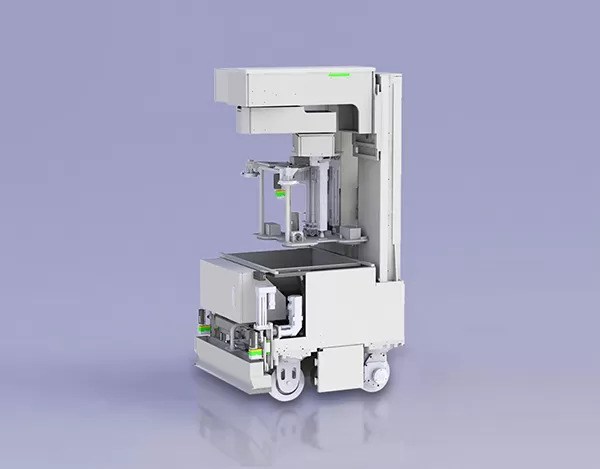
This stage-based approach matters because robots should not be scheduled independently of substrate readiness. The grinding team needs clear release dates from concrete works, while downstream teams need predictable handover from grinding. A zone-based plan can show which areas are being ground, inspected, cleaned and released each day.
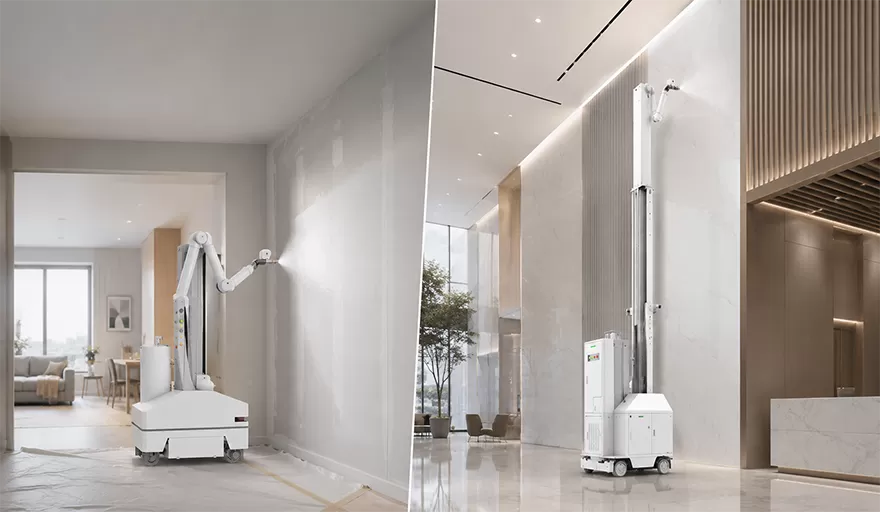
For contractors evaluating multiple task types, a broader portfolio of construction robots can be mapped to the project sequence so that painting, floor preparation and tile installation are each automated at the stage where they create the most value.
FAQ: Grinding Robots for Construction Floors
Q1: Can a grinding robot eliminate all manual edge work?
A1: Not necessarily. Published coverage above 95% indicates broad automated coverage, but edges, tight corners, unusual obstructions and localized defects may still require separate treatment.
Q2: Is polishing productivity the same as rough grinding productivity?
A2: No. The published capacities are different: 800-1,000 m²/day for rough grinding and 3,000-4,000 m²/day for polishing. Each process should be scheduled separately.
Q3: What should be checked before using a grinding robot on an epoxy-floor project?
A3: Confirm the existing floor condition, coating-removal requirement, desired surface profile, selected disc system, dust-control method and acceptance criteria for the next coating stage.
Conclusion
A grinding robot delivers the most predictable value when the project defines the surface objective first and productivity second. By separating rough grinding from polishing, planning dust handling, matching discs to floor conditions and integrating the robot into a zone-based floor-finishing sequence, contractors can convert large-area grinding from a labor-intensive activity into a measurable production process.



.png "Construction Robots by Project Stage: A Workflow Map for Painting, Tiling and Floor Preparation")