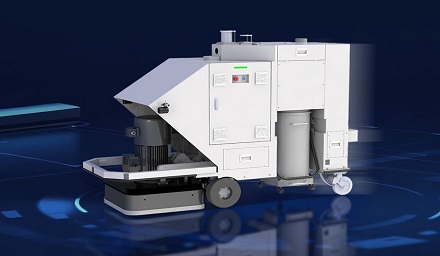
An automatic wall painter can support interior renovation when the existing coating is sound, the substrate is ready and the proposed paint system is compatible. The most useful starting point is a wall condition survey that separates surfaces ready for recoating from surfaces requiring cleaning, repair or further investigation. This prevents the spraying team from covering defects that will remain visible or cause the new finish to fail.
Renovation introduces a different challenge from painting repeated new walls. Two adjoining rooms may look similar but contain different old coatings, patching compounds and moisture histories. Treating them as one uniform work package can produce inconsistent results even when the robot follows the same spray program.
Can an Automatic Wall Painter Spray Over Existing Paint?
Existing paint does not always need complete removal. The decision depends on its adhesion and condition, together with the requirements of the selected coating system. A stable, compatible finish may be suitable for recoating after the specified preparation. A peeling, contaminated or poorly bonded layer needs a different treatment before spraying begins.
A wall painting robot belongs at the application stage of this process. Controlled spraying does not establish whether an old paint layer is sufficiently bonded to the wall. The preparation team must resolve that question before releasing the surface.
Create a simple condition record for each wall rather than assigning one status to an entire apartment. Include the wall location, existing finish, visible defect, proposed treatment and person responsible for acceptance. Photographs should show the same location before preparation and before spraying, making it easier to trace a later defect back to the original surface.
Separate Surface Defects Before Choosing a Repair Method
Classify the finding before choosing the treatment. Loose coating concerns adhesion; stains may indicate contamination or moisture; a visible patch boundary may involve texture or absorption. These conditions should not all receive the same response.
Loose or peeling paint. Establish the extent of weak adhesion and investigate the cause. Where water ingress is involved, address the source before recoating. Applying a more uniform topcoat over a weak underlying layer does not restore that layer's bond.
Dusty or powdery surfaces. Specify cleaning and preparation according to the coating manufacturer's guidance. A surface that looks clean from a distance may still transfer residue when assessed by the preparation crew.
Mixed repairs and retained paint. Check how the proposed primer and finish behave across the transition. A patch can appear acceptable before painting yet remain visible after the finish dries because the surrounding surfaces absorb or reflect differently.
These findings determine whether the wall proceeds directly to an approved coating sequence, receives local repair, or remains unavailable pending investigation. An automatic wall painter should enter only after that decision has been documented.
When Does Renovation Require Putty Before Painting?
Putty application and local defect repair are separate decisions. A wall with widespread surface unevenness may require an approved skim-coating process. A small crack, damaged corner or failed joint may need a targeted repair method chosen for that defect.
Where broad wall preparation forms part of the scope, a putty spraying robot can be evaluated alongside final paint application. The project still needs defined responsibilities for local repairs, drying, surface finishing and inspection between stages.
Do not assume that a dual-material machine eliminates every preparation task. Ask which operations are automated and which require workers. Confirm the approved material, the surface condition needed for application and the handover criteria before the next coat. This makes the work package understandable to both the equipment operator and the repair crew.
Design a Mock-Up Around the Hardest Surface Transition
A uniformly prepared blank wall is useful for checking basic spray settings, but it may miss the renovation project's main risk. Choose a mock-up that contains retained paint, a repaired area and the transition between them. Where relevant, include an opening or previously stained area that has already received its approved treatment.
Use the intended paint system and record the preparation sequence. Inspect after the drying interval required by the coating manufacturer. Compare the appearance under the lighting and viewing conditions agreed for the project, keeping those conditions consistent between samples.
If a defect appears only over repaired areas, investigate the preparation and coating compatibility before changing the robot program. If the same defect appears across retained and repaired surfaces, examine the material setup and application process as well. This comparison helps the team avoid changing several variables without knowing which one matters.
Retain the accepted sample and its process record. The record should identify the coating products, batch information where available, preparation method and approved application setup. Later crews can then reproduce the accepted sequence rather than trying to match a photograph alone.
Release Walls Individually and Record Exceptions
Use three practical statuses: ready for spraying, preparation in progress and investigation required. The status should apply to identifiable walls or zones, with exceptions clearly marked. A room containing one unresolved wall does not necessarily require every completed wall to be prepared again.
For example, a hotel room might have three accepted walls and one wall awaiting investigation of a recurring stain. Release the accepted surfaces only if the work can be isolated appropriately and the project sequence allows it. Record the excluded wall so it is not accidentally counted as completed.
When comparing construction robots for sale, provide suppliers with this wall condition record as well as room dimensions. It gives them a more useful basis for discussing application scope than a total renovation floor area alone.
Frequently Asked Questions About Automatic Wall Painters in Renovation
Will an automatic wall painter hide cracks and failed paint?
Spraying is not a substitute for repairing cracks or removing failed coating. Resolve the defect through the approved preparation process before applying the finish.
Should every previously painted wall receive the same primer?
Not necessarily. Primer selection depends on the existing surface and intended coating system. Confirm the specification with the coating supplier and validate mixed surfaces in the mock-up.
What should the renovation mock-up prove?
It should demonstrate that the preparation and coating sequence produces an acceptable finish across representative old and repaired surfaces, with clear responsibilities for any remaining manual work.
Conclusion
An automatic wall painter is easier to deploy successfully when renovation surfaces are assessed and released individually. Classifying defects, testing repaired transitions and retaining an accepted mock-up turns wall preparation into a repeatable process. The result is a clearer spraying scope and a stronger basis for diagnosing any finish problems that appear later.